Archives
- 2026-03
- 2026-02
- 2026-01
- 2025-12
- 2025-11
- 2025-10
- 2025-09
- 2025-03
- 2025-02
- 2025-01
- 2024-12
- 2024-11
- 2024-10
- 2024-09
- 2024-08
- 2024-07
- 2024-06
- 2024-05
- 2024-04
- 2024-03
- 2024-02
- 2024-01
- 2023-12
- 2023-11
- 2023-10
- 2023-09
- 2023-08
- 2023-06
- 2023-05
- 2023-04
- 2023-03
- 2023-02
- 2023-01
- 2022-12
- 2022-11
- 2022-10
- 2022-09
- 2022-08
- 2022-07
- 2022-06
- 2022-05
- 2022-04
- 2022-03
- 2022-02
- 2022-01
- 2021-12
- 2021-11
- 2021-10
- 2021-09
- 2021-08
- 2021-07
- 2021-06
- 2021-05
- 2021-04
- 2021-03
- 2021-02
- 2021-01
- 2020-12
- 2020-11
- 2020-10
- 2020-09
- 2020-08
- 2020-07
- 2020-06
- 2020-05
- 2020-04
- 2020-03
- 2020-02
- 2020-01
- 2019-12
- 2019-11
- 2019-10
- 2019-09
- 2019-08
- 2019-07
- 2019-06
- 2019-05
- 2019-04
- 2018-07
-
The lysine K specific demethylase KDM family is comprised of
2022-05-20

The lysine (K)-specific demethylase 4 (KDM4) family is comprised of 4 isoforms, KDM4A to -D, also known as JMJD2A to -D. KDM4A, B, and C encode proteins consisting of a JmjC, a JmjN, two PHD, and two Tudor domains. KDM4D is unique within the KDM4 family in that it has neither PHD nor Tudor domains,
-
The NuB complex interacts with Asf p
2022-05-20

The NuB4 complex interacts with Asf1p, which plays a central role in controlling the flux of histones to the various chromatin assembly pathways. This interaction is also evolutionarily conserved having been detected in yeast, chicken and human PPT [27], [61], [104], [105]. Asf1p appears to interact
-
Interest in the non coding genome has recently surfaced
2022-05-20

Interest in the non-coding genome has recently surfaced with accelerated emphasis in the past few years (Li et al., 2016). Transcription factors (TFs) bind to enhancers and mediate RNA initiation from distal transcriptional start sites (TSS) of genes. Epigenome sequencing of human and mouse during d
-
In addition to lifestyle factors genetic factors may
2022-05-20
In addition to lifestyle factors, genetic factors may also influence the efficacy of antineoplastic drugs in breast cancer patients.16, 17 The HER2 gene contains several single nucleotide polymorphisms (SNPs). Two of the most investigated HER2 SNPs are Ile655Val (rs1136201) and Ala1170Pro (rs1058808
-
The Y H D A variant was resistant to
2022-05-20
The Y56H/D168A variant was resistant to all tested PIs, and the inhibitor binding mode determined the molecular mechanism of resistance. Prior to the development of grazoprevir, PIs typically contained large heterocyclic P2 moieties that strongly interacted with S2-subsite residues (Ali et al., 2013
-
The current research also analyzed the association of this p
2022-05-20
The current research also analyzed the association of this polymorphism with HCV genotype 1-related hepatic steatosis by gender. Even though the allele and genotypes of this polymorphism an increased the risk of HCV-related hepatic steatosis, neither allele nor genotype frequency of this polymorphis
-
Small but statistically significant variance in PhyChem inde
2022-05-20
Small but statistically significant variance in 7 PhyChem indexes measured using intra-host HVR1 variants was shown to be strongly associated with CIP and MIP. All HVR1 sequences (N = 28,622) used here share only 6782 profiles of the selected 29 DAC’ of 7 PhyChem indexes. The significant majority (9
-
Here we used Drosophila and mouse models
2022-05-20
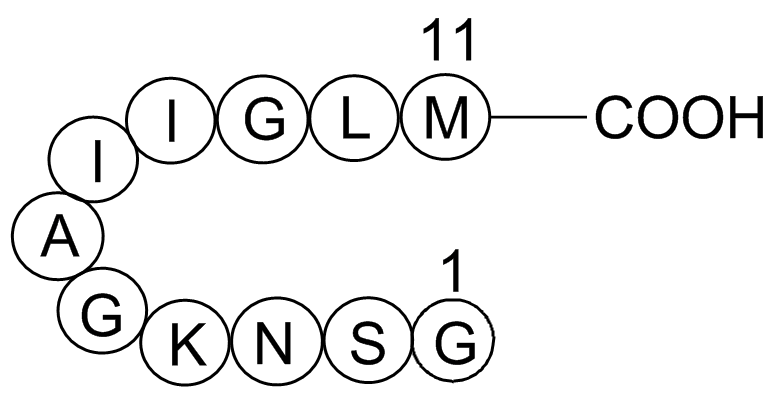
Here, we used Drosophila and mouse models to address the biological function of RALs in the adult intestine. Our results demonstrate a conserved in vivo role for RALs in ISC function during tissue homeostasis and regeneration. ISCs lacking RALs were at a disadvantage compared to wild-type neighbors.
-
Subcellular domains where Rac is active show limited Rho act
2022-05-20
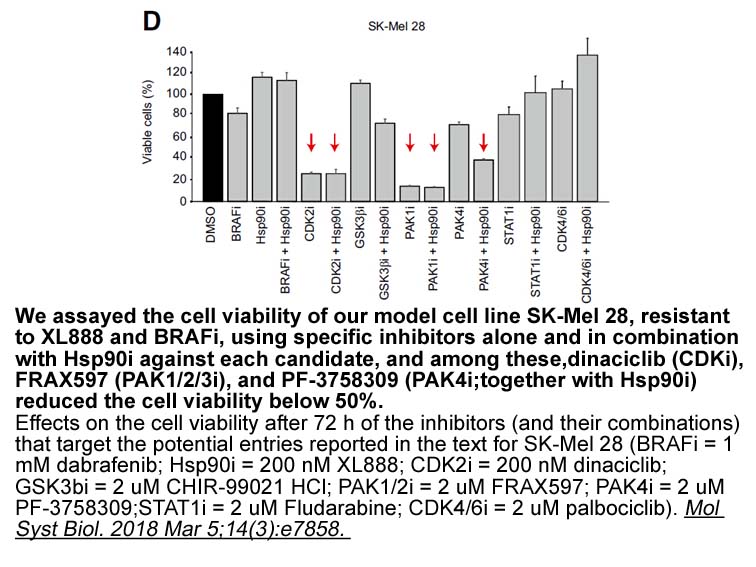
Subcellular domains where Rac is active show limited Rho activity and vice versa (Fig. 4). This distinctive patterning in Rho activity is achieved via the downstream Rac effector Par6, an important part of the so-called Par polarity complex. In primary epithelium, the cytoskeleton and associated Rho
-
The frequency of GSTM and GSTT null
2022-05-20
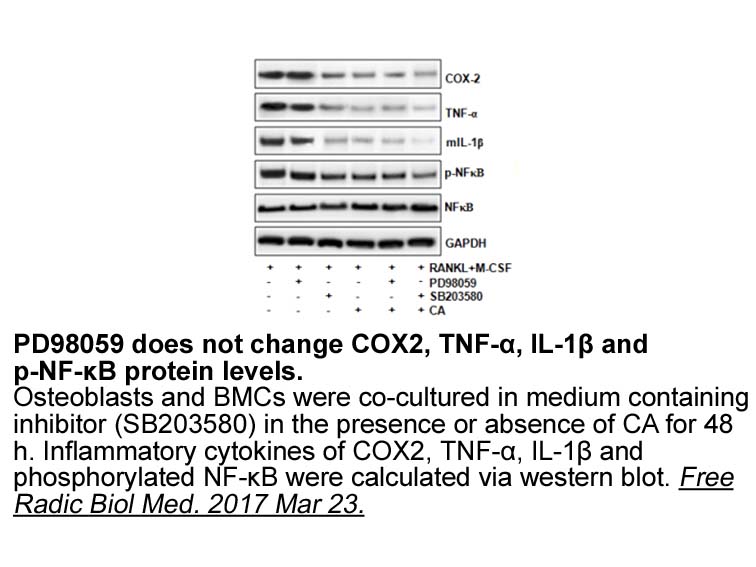
The frequency of GSTM1 and GSTT1 null genotypes vary in different populations. For example, Hiragi et al. (2007) reported a frequency of 17–35% for the GSTM1 null genotype and 22–44% for the GSTT1 null genotype in Brazilians of African descent (Hiragi et al., 2007). Chen, Liu, and Relling (1996) rep
-
The Fe deficiency treatment significantly increased the shoo
2022-05-20
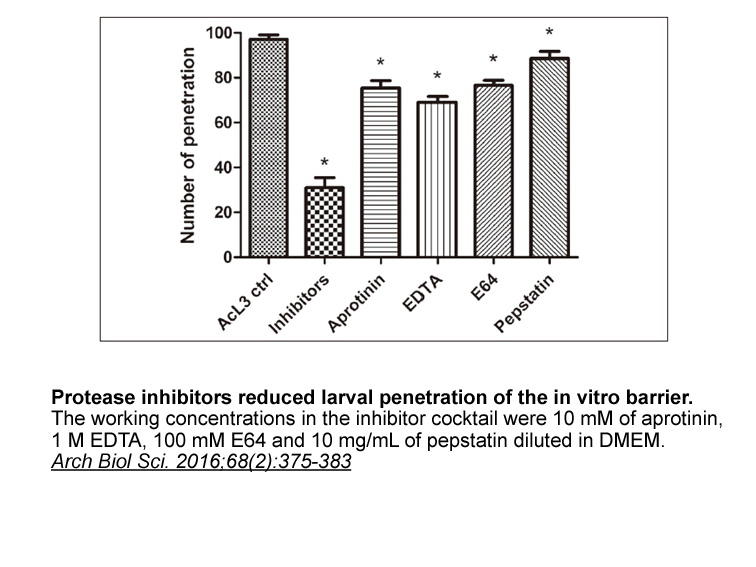
The Fe-deficiency treatment significantly increased the shoot/root Fe ratios in both WT and transgenic lines (Fig. 5C), which implied that the Fe distribution from root to shoot may be an adaptive mechanism or stress response in tomato plants. Thus, the overexpression of GSNOR had a positive effect
-
br S NO signalling during the plant immune response
2022-05-20
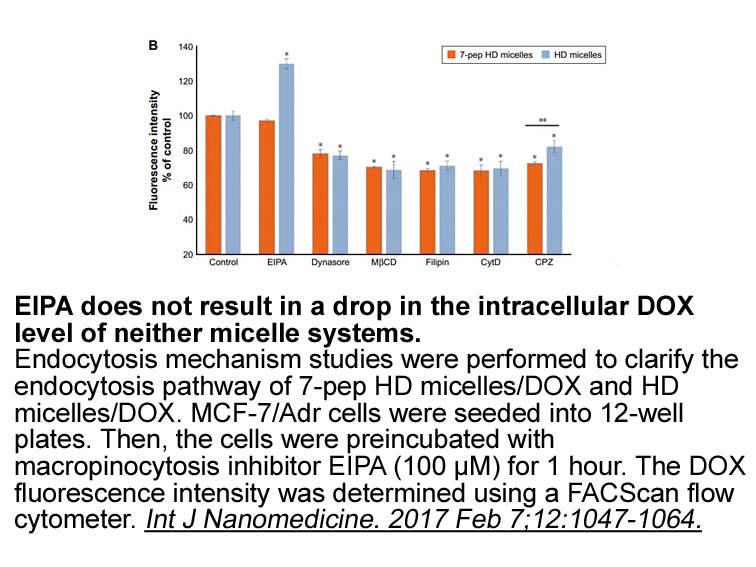
(S)NO signalling during the plant immune response Redox signalling molecules must exhibit specificity for their target substrate. Moreover, a given redox-based modification must be reversible to ensure transient signalling. Oxidative cysteine (Cys) modifications are integral to a variety of redox
-
TMN 355 In order to investigate whether this off target acti
2022-05-20
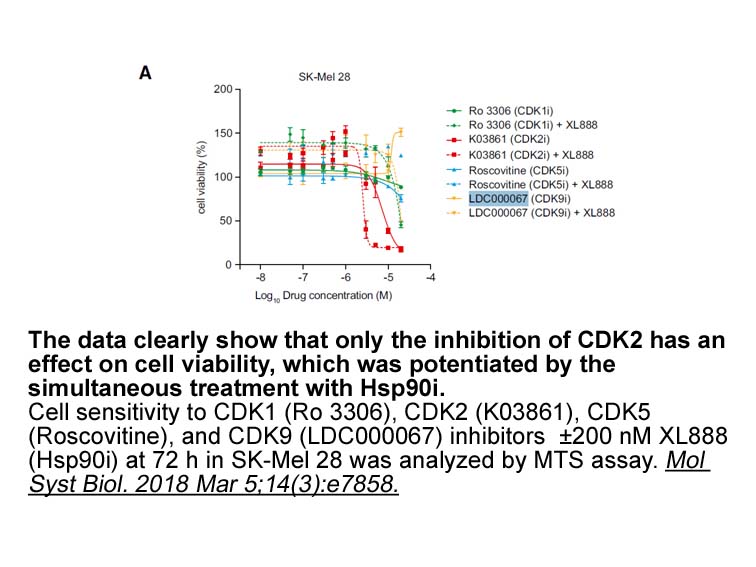
In order to investigate whether this off-target activity was related to a particular structural feature of this TMN 355 or was characteristic of the series, compounds , and were selected as being matched pairs with compound but with structural variation in terms of the R, R and R groups, respectivel
-
br Differences among flavivirus vaccines and implications fo
2022-05-20
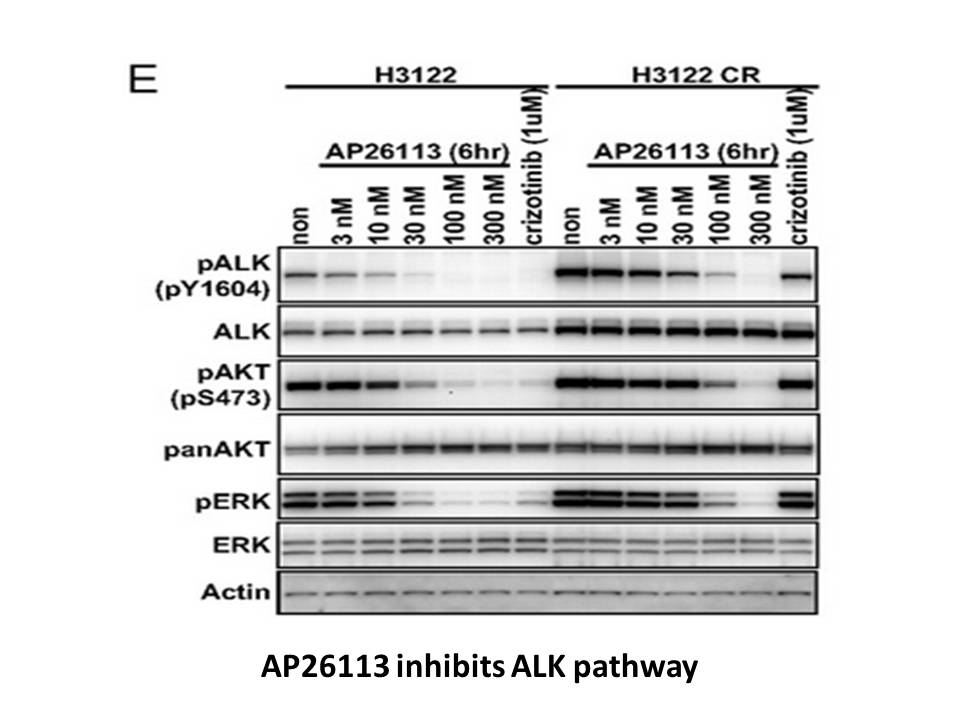
Differences among flavivirus vaccines and implications for CD4 T cell immunity There are currently three classes of flavivirus vaccines in use – live-attenuated virus (for immunoprophylaxis against YF and JE), whole inactivated virus vaccines (JE, TBE) and chimeric vaccines (JE, DEN). The chimeri
-
br RNA preparation cDNA synthesis and RT PCR Trizol reagent
2022-05-20

RNA preparation, cDNA synthesis and RT-PCR Trizol reagent (Invitrogen, Carlsbad, CA, USA) was used to extract total RNA from tissues according to the manufacturer’s protocol and isolated RNA quantity was determined by UV spectrophotometry (Nanodrop, Thermo Scientific, USA) and RNA integrity was v
15511 records 438/1035 page Previous Next First page 上5页 436437438439440 下5页 Last page